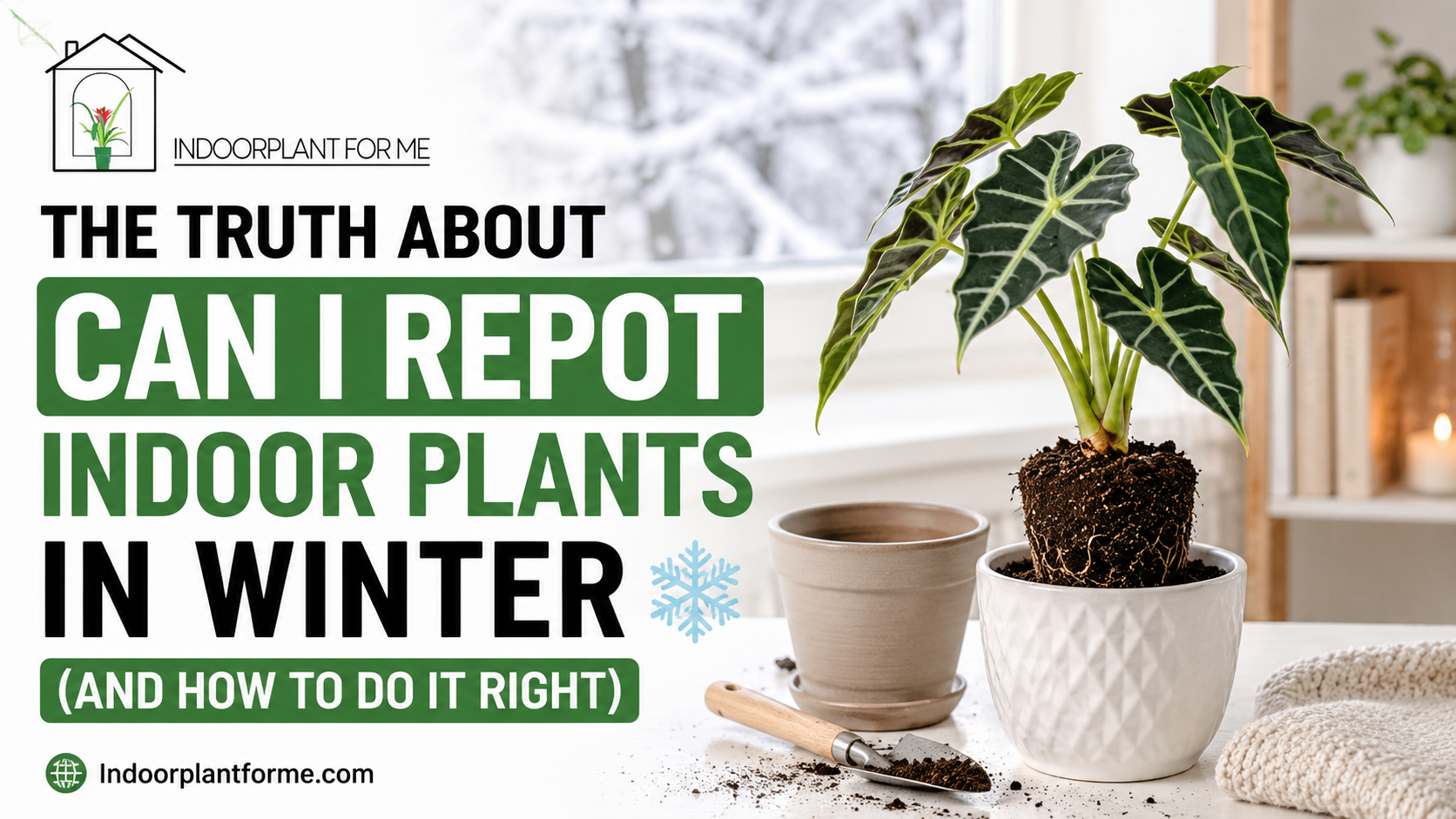
Can you repot indoor plants in winter? Yes, with the proper precautions. Repotting houseplants is an essential part of plant care, allowing you to provide fresh nutrients, improve drainage, and ensure healthy root growth.
However, many indoor gardeners wonder: can I repot indoor plants in winter?
After all, conventional wisdom often suggests avoiding major plant care tasks during the colder months.
The truth is, with the right approach, you can absolutely repot indoor plants in winter.
In fact, winter plant care tasks like repotting can be beneficial in some cases.
That said, there are important considerations to keep in mind to ensure your houseplant repotting efforts are successful during this period.
Can You Repot Indoor Plants in Winter? (Yes, but…)
The simple answer is yes, you can repot indoor plants in winter.
However, it’s important to understand that not all plants are equally well-suited for winter repotting. The key factor to consider is the plant’s growth cycle.
During the winter months, many houseplants enter a period of dormancy or slowed growth due to the shorter daylight hours and cooler temperatures.
This means they are less actively putting out new growth and require fewer resources from their environment.
While it is generally safe to repot indoor plants in winter, those in an active growth phase may experience more stress and have a harder time recovering from the repotting process.
On the other hand, plants that are naturally dormant or slow-growing during winter can often handle being repotted quite well.
Pros and Cons of Winter Repotting
Like any gardening task, there are both advantages and disadvantages to repotting during the winter season.
Let’s take a closer look at some of the key pros and cons:
Pros:
– Winter indoor gardening tasks like repotting can help pass the time during the colder months when outdoor gardening is limited.
– There is often less risk of pests and diseases compared to repotting in spring or summer when these issues are more prevalent.
– Repotting in winter gives you a chance to address issues like rootbound houseplants before the spring growing season begins.
Cons:
– Many plants are in a slower growth phase during winter, so recovery from repotting stress may be slower compared to other times of the year.
– Providing the right conditions (indoor plant maintenance, light, temperature, watering) for a successful repotting can be trickier during winter.
– Disturbing a plant’s root system when it is already dealing with the stresses of winter could potentially shock sensitive varieties.
Signs Your Plant Needs Repotting (Winter or Not)
Before we dive into winter repotting techniques, it’s important to know the signs that your houseplant is ready for a new pot, regardless of the season.
Here are some common indicators that it’s time for repotting houseplants:
– Roots are visibly circling the pot and growing out of the drainage holes.
– The plant has stopped putting out new growth or leaves appear stunted.
– The plant wilts frequently despite consistent watering (**winter plant care** note: adjust watering needs in winter).
– The potting mix dries out exceptionally fast.
If you notice any of these signs, it’s likely time to provide your plant with a fresh start in a larger container with new potting soil.
Winter Repotting Guidelines for Success
While it is possible to repot indoor plants in winter, there are some important guidelines to follow to increase your chances of success:
1. Choose the Right Plants: Focus your winter repotting efforts on plants that are naturally dormant or very slow-growing during the colder months. Excellent candidates include Snake Plants, ZZ Plants, Cast Iron Plants, and Ponytail Palms.
2. Provide Adequate Light and Temperature: Even dormant plants need some light during winter. Ensure your houseplants receive bright, indirect light by placing them near a sunny window. Maintain comfortable room temperatures between 65-75°F (18-24°C).
3. Adjust Watering Practices: Overwatering is one of the biggest winter repotting mistakes. Only water your newly repotted plants when the top inch of soil is dry to the touch. Check moisture levels regularly.
4. Select the Right Pot Size: When repotting houseplants in winter, opt for a pot just one size larger than the current container. Too big an increase can lead to issues with moisture retention.
The Winter Repotting Process (Step-by-Step)
Once you’ve selected the right plant candidates and prepared the proper conditions, you’re ready for the actual repotting process. Here’s a step-by-step guide:
Materials Needed:
– New pot (with drainage holes)
– Fresh potting mix
– Gardening gloves
– Clean tools (trowel, scissors)
– Saucer or drip tray
1. Prepare the New Pot: Fill the new container about one-third full with fresh, well-draining potting mix.
2. Remove the Plant from Its Current Pot: Gently tip the plant’s existing pot on its side and coax the root ball out by gripping the base of the plant. You may need to squeeze the pot slightly to loosen it.
3. Inspect and Loosen the Roots: Once the plant is out of its old pot, use your fingers or a tool to gently loosen and untangle any circling or bound roots.
4. Position the Plant in the New Pot: Create a hole in the soil of the new pot and position the root ball so that the top of the root system is level with the rim of the new container.
5. Backfill with Fresh Potting Mix: Holding the plant in place, add more potting mix around the sides, firming it in gently with your hands.
6. Water Lightly: Give your newly repotted plant a moderate amount of water, allowing it to drain fully. Discard any excess water that accumulates in the drip tray or saucer.
7. Monitor Moisture Levels: Check the soil moisture every few days, adjusting your watering as needed to keep the potting mix lightly moist but not saturated.
Post-Repotting Winter Care Tips
Once your indoor plants have been successfully repotted, there are a few additional **winter plant care tips to keep in mind:
– Avoid Fertilizing: Hold off on any fertilizer applications until early spring when the plant begins actively growing again.
– Watch for Stress Signs: Monitor your newly repotted plants closely for any signs of stress like wilting, yellowing leaves, or slowed growth. Adjust watering, light, and other care practices as needed.
– Increase Humidity (If Needed): Some houseplants, especially tropical varieties, may benefit from increased humidity levels around their foliage after repotting in winter’s drier indoor conditions.
List of Houseplants Well-Suited for Winter Repotting
Here are a few examples of indoor plants that can handle being repotted in winter quite well:
| Plant | Description |
| Snake Plant (Sansevieria) | An extremely tough succulent that thrives with minimal care. Perfect for winter repotting. |
| ZZ Plant (Zamioculcas zamiifolia) | Known for its tolerance of low light and irregular watering, making winter indoor plant repotting a breeze. |
| Ponytail Palm (Beaucarnea recurvata) | A semi-succulent that is dormant in winter, making it an ideal candidate for safe repotting during the winter months. |
| Cast Iron Plant (Aspidistra elatior) | Appropriately nicknamed for its hardy nature, the Cast Iron Plant tolerates the temporary root disturbance of winter repotting well. |
| Philodendron Birkin (Philodendron Birkin) | While not fully dormant, the beautiful Birkin is a relatively slow-grower in winter and can bounce back from repotting quite nicely. |
Of course, this is just a small sample of houseplant varieties suited for winter repotting.
Always research your specific plants to determine their individual needs and cold-weather care requirements.
Why Is My Aloe Vera Turning Red? 12 Possible Reasons And What To Do
Would you like to know why is Aloe Vara is turning red? Yes, your Aleo…
Why are my peace lily flowers green?
Why Peace lily flowers are green? It could be as a result of a couple…
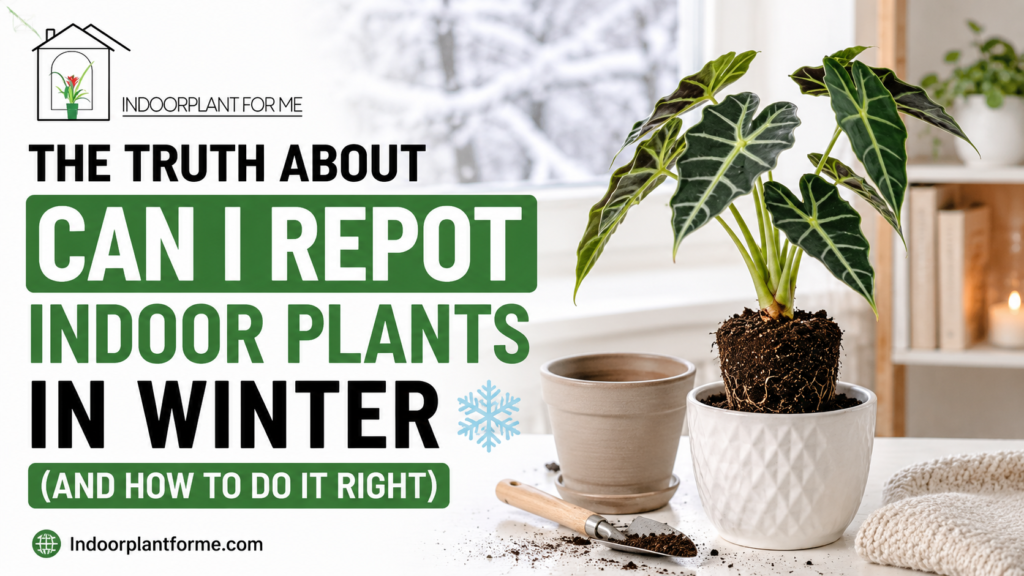
The Truth About Can I Repot Indoor Plants in Winter (And How to Do It Right)
Can you repot indoor plants in winter? Yes, with the proper precautions. Repotting houseplants is…
Should I Cut Brown Spots Off Fiddle Leaf Fig: A Complete Guide to Pruning Your Precious Plant
Yes, you can cut brown spots off a fiddle leaf fig, using the complete guide…
Is Jade Plant a Succulent Plant? The Ultimate Guide to These Hardy Houseplants
Is Jade Plant a Succulent? Yes, the Jade is a Succulent Plant. The jade plant,…
How to Treat Botrytis Blight on Roses: A Comprehensive Guide
Treating Botrytis Blight on roses requires maintaining good garden hygiene and promptly removing any potential…
FAQs
What Happens If I Repot Plants In Winter?
Repotting plants during the winter isn’t as difficult as it sounds! The main thing to remember is that most houseplants go into a dormant or semi-dormant state when the days get shorter.
Their growth slows way down as they conserve energy to make it through the colder months.
This dormancy period is actually a decent time to repot some indoor plant varieties.
They’ll be less stressed by the root disturbance since they aren’t actively growing.
Just be sure to pick the right plants – ones that are true low-growers in winter like snake plants, ZZ plants, and cast iron plants.
The key is to go slowly and minimize stress during the repotting process. Have your fresh potting mix and new container ready to go so you can get the plant situated in its new digs quickly.
Go up just one pot size, water thoroughly after repotting, and be sure to provide bright, indirect light while they recover.
What Time Of Year Is Best To Repot Indoor Plants?
For most indoor plant varieties, late winter or very early spring is the ideal repotting window. This gives them a fresh start just before their main growing season kicks into gear.
Some signs it’s time for a repot include roots peeking out of the drainage holes, soil drying out super quickly, or the plant being rootbound and difficultly to remove from its current pot.
An annual repot helps revitalize the plant with fresh nutrients and oxygen around those roots.
That said, certain tough houseplants like snake plants can definitely be repotted safely in mid-winter if needed.
Just adjust your expectations – their recovery may be a little slower than if you’d repotted in early spring.
How Do You Know If Repotting Is Successful?
A few weeks after repotting, check for signs that your plant has settled nicely into its new home.
You’ll want to see new growth emerging – fresh leaves or stems developing. That’s a good indicator the roots have started spreading into the new soil.
If a plant continues wilting, dropping leaves, or just looks generally stressed out for more than a month after repotting, it may be a sign something went awry.
Making sure the plant wasn’t overpotted and providing proper light and water are key to a smooth transition.
When Should You Not Repot Plants?
Late spring through summer is generally not an ideal window for most indoor plant repotting.
At this point, many houseplants are entering their peak growing season and repotting can really stress them out.
You’ll also want to avoid repotting any plant that is flowering or setting buds.
The energy expenditure from developing blooms makes any additional root disturbance very taxing.
If you have a sick or severely stressed plant, it’s best to rehab it in its current pot before considering repotting. Get it healthy and stable first, then it will be better equipped to handle a repotting later on.
Should You Remove Old Soil When Repotting?
It’s always a good idea to gently knock off and remove as much of the old, spent potting mix as you can when repotting a plant.
Over time, that soil can become compacted, depleted of nutrients, and may even harbor pests or pathogens.
As you’re sliding the root ball out of its current pot, use your fingers or a clean tool to lightly rake and remove any loose soil still clinging to the roots.
Just be careful not to damage too many of the feeder roots in the process.
Having very little of the exhausted potting mix transferred into the new pot and potting medium gives your plant’s roots a fresh, nutrient-rich environment to spread into.
Should I Water My Plant After Repotting?
Yes, you’ll want to thoroughly soak the potting mix after repotting a plant into its new container. This helps settle the soil around the root ball and prevents any air pockets from forming.
Water thoroughly until you see it draining freely from the holes at the bottom of the pot. Then, allow the plant to drain completely before putting it back in its proper spot.
Watering also helps rehydrate any roots that may have been a bit dried out during the repotting process. Just be sure not to overwater in the weeks after repotting while the plant recovers.
What Not To Do When Repotting Plants?
One of the biggest repotting no-nos is going more than 1-2 pot sizes up from the current container. Oversizing can lead to waterlogged soil and root rot since all that extra potting mix stays saturated for too long.
You’ll also want to avoid heavily disturbing or shearing off too many roots during the repotting process. While some light root pruning is ok, removing a ton of roots will severely set the plant back.
Don’t repot a plant while it’s flowering or fruiting. Also avoid repotting when a plant is struggling with pests, diseases, or other stressors.
Get it healthy first, then it will better handle the shock of a repotting.
Do Plants Grow Faster After Repotting?
In many cases, yes! Repotting revitalizes a plant by providing fresh nutrients and oxygen around the root zone.
It gives the rootmass room to expand, resulting in more efficient nutrient and water uptake.
This extra boost usually does spur faster growth and more vigorous foliage.
With that said, don’t expect explosive growth immediately after repotting.
The plant first has to recover from the initial transplant shock and re-establish itself in its new home.
But once it settles in over the next few weeks, you should see increased growth momentum.
Can You Cut Roots When Repotting?
Some judicious root pruning is often necessary when repotting rootbound plants.
As long as you keep it moderate – removing no more than 20-25% of the outer root mass – the plant can bounce back quickly.
Use a clean, sharp tool like pruners or scissors to trim back any circling or matted roots.
This helps encourage new, healthy root growth once it’s settled in its new pot. Just avoid cutting too close to the trunk or main stems.
With severely rootbound plants, you may need to score the outer rootball vertically in a few places before attempting to loosen and untangle it. But always be gentle when working with delicate root systems.
Conclusion
While the conventional advice is often to avoid major gardening tasks like repotting during the winter months, the reality is that with the proper precautions, you can successfully repot indoor plants in winter
While the conventional advice is often to avoid major gardening tasks like repotting during the winter months, the reality is that with the proper precautions, you can successfully repot indoor plants in winter.